
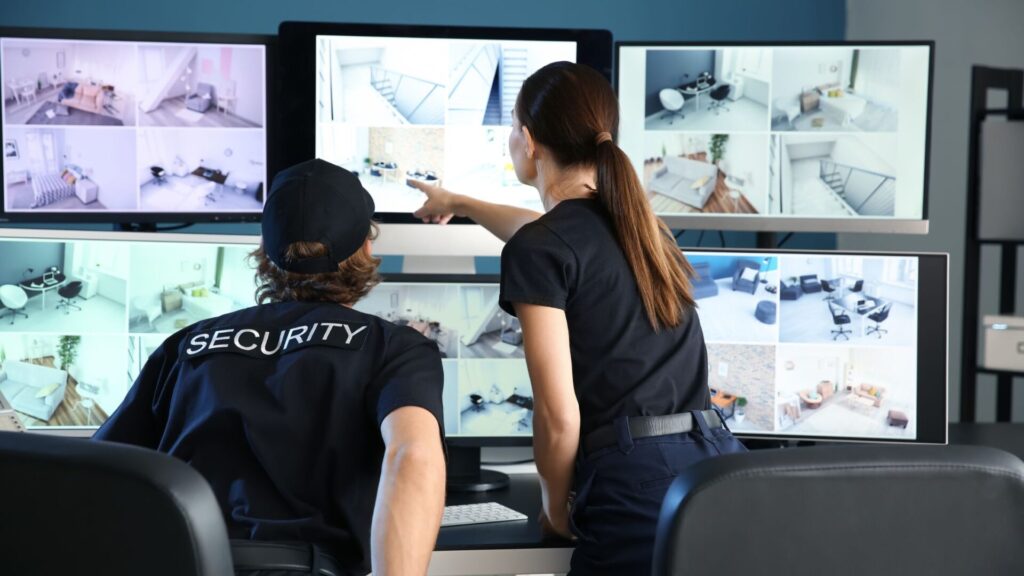
In the digital age, technology has revolutionized nearly every aspect of our lives, and security services are no exception. Modern security firms are leveraging advanced technologies to enhance their capabilities, providing more effective and efficient protection for businesses and individuals. Here are some ways technology is shaping the future of security services.
1. Advanced Surveillance Systems
Surveillance cameras have come a long way from grainy, black-and-white footage. Today’s cameras offer high-definition video, night vision, and even thermal imaging. These advancements allow for clearer, more detailed monitoring of premises, making it easier to identify and respond to suspicious activities. Additionally, many modern surveillance systems are equipped with motion detection and facial recognition software, further enhancing their effectiveness.
2. Drones for Aerial Surveillance
Drones are becoming increasingly popular in security operations due to their ability to cover large areas quickly and efficiently. Equipped with high-resolution cameras, drones can provide real-time aerial surveillance, monitor hard-to-reach areas, and offer a bird’s-eye view of large events or facilities. This technology is particularly useful for perimeter security and crowd management.
3. Artificial Intelligence and Machine Learning
AI and machine learning are transforming security by enabling systems to learn from data and improve over time. These technologies can analyze video footage to detect unusual patterns or behaviors, alerting security personnel to potential threats before they escalate. AI-powered analytics can also predict security breaches by identifying vulnerabilities and suggesting preventive measures.
4. Access Control Systems
Modern access control systems go beyond traditional locks and keys. They utilize biometric authentication methods such as fingerprint, retina, and facial recognition, ensuring that only authorized personnel can access restricted areas. Smart card systems and mobile-based access control are also becoming more common, offering flexibility and enhanced security.
5. Integrated Security Solutions
Integration is a key trend in modern security technology. Integrated security solutions combine various systems, such as surveillance, access control, and alarm systems, into a single platform. This integration allows for centralized monitoring and management, providing a holistic view of security operations and enabling faster, more coordinated responses to incidents.
6. Cybersecurity Measures
As businesses become more reliant on digital systems, the need for robust cybersecurity measures has never been greater. Modern security services include protecting sensitive data from cyber threats such as hacking, phishing, and malware. Advanced encryption, firewalls, and intrusion detection systems are essential tools in the fight against cybercrime.
7. Mobile Security Applications
Mobile technology is playing a significant role in modern security. Security personnel can now use mobile apps to monitor surveillance feeds, receive alerts, and manage access control remotely. These applications provide real-time updates and allow security teams to respond to incidents quickly, even when they are not physically present on-site.
8. IoT-Enabled Devices
The Internet of Things (IoT) connects various security devices, such as cameras, sensors, and alarms, to create a cohesive and responsive security network. IoT-enabled devices can communicate with each other, share data, and automate responses to security breaches. For example, a motion sensor detecting an intruder can trigger nearby cameras to start recording and send an alert to security personnel.
9. Enhanced Communication Systems
Effective communication is crucial in security operations. Modern communication systems, including encrypted radios and secure messaging platforms, ensure that security teams can coordinate and respond to incidents efficiently. Real-time communication enhances situational awareness and allows for swift, coordinated action.
10. Robotics and Automated Security
Robotics is another exciting development in the field of security. Security robots can patrol premises, monitor activities, and even interact with individuals. Equipped with cameras, sensors, and AI, these robots can detect and respond to potential threats autonomously. They can also perform routine tasks, freeing up human security personnel for more complex duties.
Conclusion
Technology is undeniably transforming the landscape of modern security services. From advanced surveillance systems and drones to AI and IoT-enabled devices, these innovations are enhancing the effectiveness and efficiency of security operations. By integrating these technologies into their services, security firms can provide more comprehensive and proactive protection, ensuring the safety of businesses and individuals in an increasingly complex and connected world.
Investing in modern security technology is not just about staying ahead of threats; it’s about creating a safer, more secure environment for everyone. As technology continues to evolve, the potential for further advancements in security services is limitless, promising even greater levels of protection and peace of mind.