Events, whether large or small, bring together people for a shared purpose, be it celebrations, business conferences, concerts, or festivals. However, the presence of large crowds also increases security risks, making professional event security a vital component of planning. This blog dives into the importance of event security, the roles of security personnel, and best practices for ensuring your gathering is safe and successful.
Why Event Security Matters
Events can attract all kinds of individuals, from genuine participants to those with malicious intent. A lack of proper security measures can lead to:
- Unauthorized Access: Trespassers or uninvited guests can disrupt the event.
- Safety Hazards: Overcrowding, emergencies, or conflicts can pose significant risks to attendees.
- Damage to Reputation: Poor security reflects poorly on the event organizer and the venue.
- Legal Liability: Without proper safety protocols, organizers may face lawsuits in case of accidents or incidents.
By hiring professional event security services, you mitigate these risks and create a safe environment for everyone.
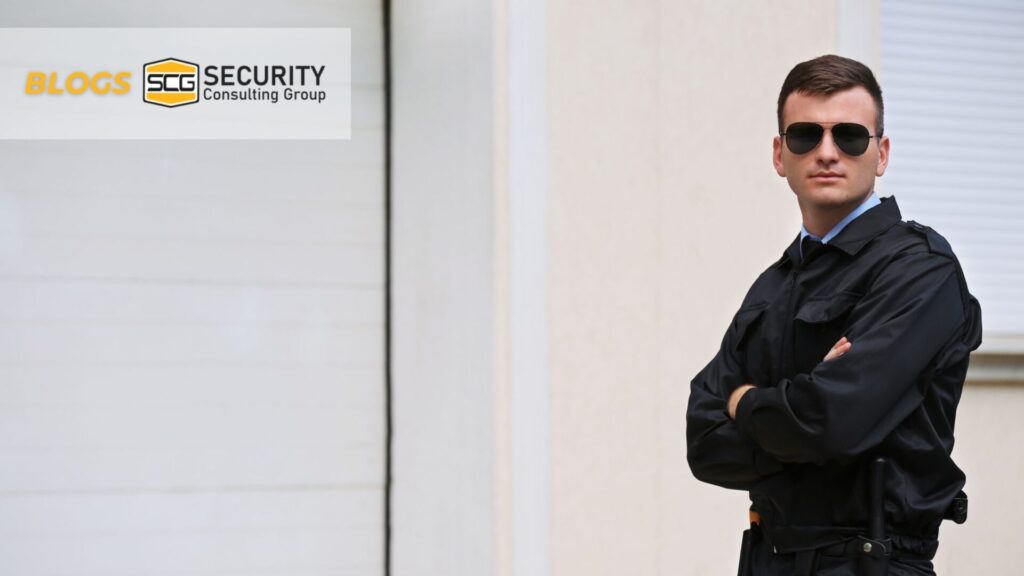
Roles of Event Security Guards
Event security personnel handle a wide range of tasks, including:
- Access Control
- Monitoring entrances and exits.
- Verifying tickets or guest lists.
- Preventing unauthorized entry.
- Crowd Management
- Ensuring orderly behavior among attendees.
- Managing queues and avoiding overcrowding.
- Assisting in evacuation during emergencies.
- Conflict Resolution
- Identifying and de-escalating conflicts before they escalate.
- Handling unruly attendees with professionalism.
- Emergency Response
- Providing first aid in medical emergencies.
- Assisting with evacuation during fires, threats, or other crises.
- Asset Protection
- Safeguarding valuable equipment or event materials.
- Preventing theft or vandalism.
Key Security Measures for Events
To ensure a secure event, consider the following steps:
1. Conduct a Risk Assessment
Identify potential risks specific to the event, such as overcrowding, theft, or natural disasters. This helps in creating a tailored security plan.
2. Establish Clear Protocols
Work with security professionals to define emergency procedures, access control measures, and roles for staff members.
3. Utilize Technology
Leverage tools like:
- Surveillance cameras for real-time monitoring.
- Metal detectors at entry points for weapons screening.
- RFID-based badges or tickets for controlled access.
4. Employ Professional Security Guards
Hire trained and experienced security personnel who understand crowd dynamics and emergency protocols.
5. Monitor the Entire Venue
Cover all areas, including entrances, exits, backstage zones, and parking lots, to prevent unauthorized access or incidents.
6. Maintain Communication
Equip security teams with radios or mobile devices for effective communication. Establish a central command center to coordinate responses.
Benefits of Professional Event Security
- Peace of Mind
Event organizers can focus on delivering a memorable experience, knowing the safety of attendees is in expert hands. - Improved Attendee Experience
A well-secured event creates a welcoming environment, enhancing attendee satisfaction. - Risk Mitigation
Professional security guards are trained to identify risks early and take proactive measures. - Compliance with Regulations
Adhering to local safety and security regulations ensures your event avoids legal issues.
Events That Require Security Services
- Corporate Events: Conferences, trade shows, and product launches.
- Music Concerts and Festivals: Large crowds necessitate strict crowd control.
- Private Parties: Weddings, birthdays, or VIP gatherings.
- Sports Events: Ensuring the safety of players, fans, and officials.
- Public Gatherings: Parades, political rallies, or charity events.
Choosing the Right Event Security Service
When selecting a security provider for your event, consider the following:
- Experience: Ensure the company has a track record of managing similar events.
- Training: Guards should be trained in crowd control, emergency response, and conflict resolution.
- Reputation: Check reviews or testimonials to gauge the provider’s reliability.
- Flexibility: Choose a provider who can adapt to the unique requirements of your event.
Conclusion: Safety First for Successful Events
Event security is a crucial investment to protect attendees, assets, and your reputation. By working with experienced security professionals, you can create a safe environment that ensures the success of your event.
Ready to secure your next event? Contact us today to learn more about our customized event security solutions and how we can help make your gathering safe and enjoyable for everyone involved.