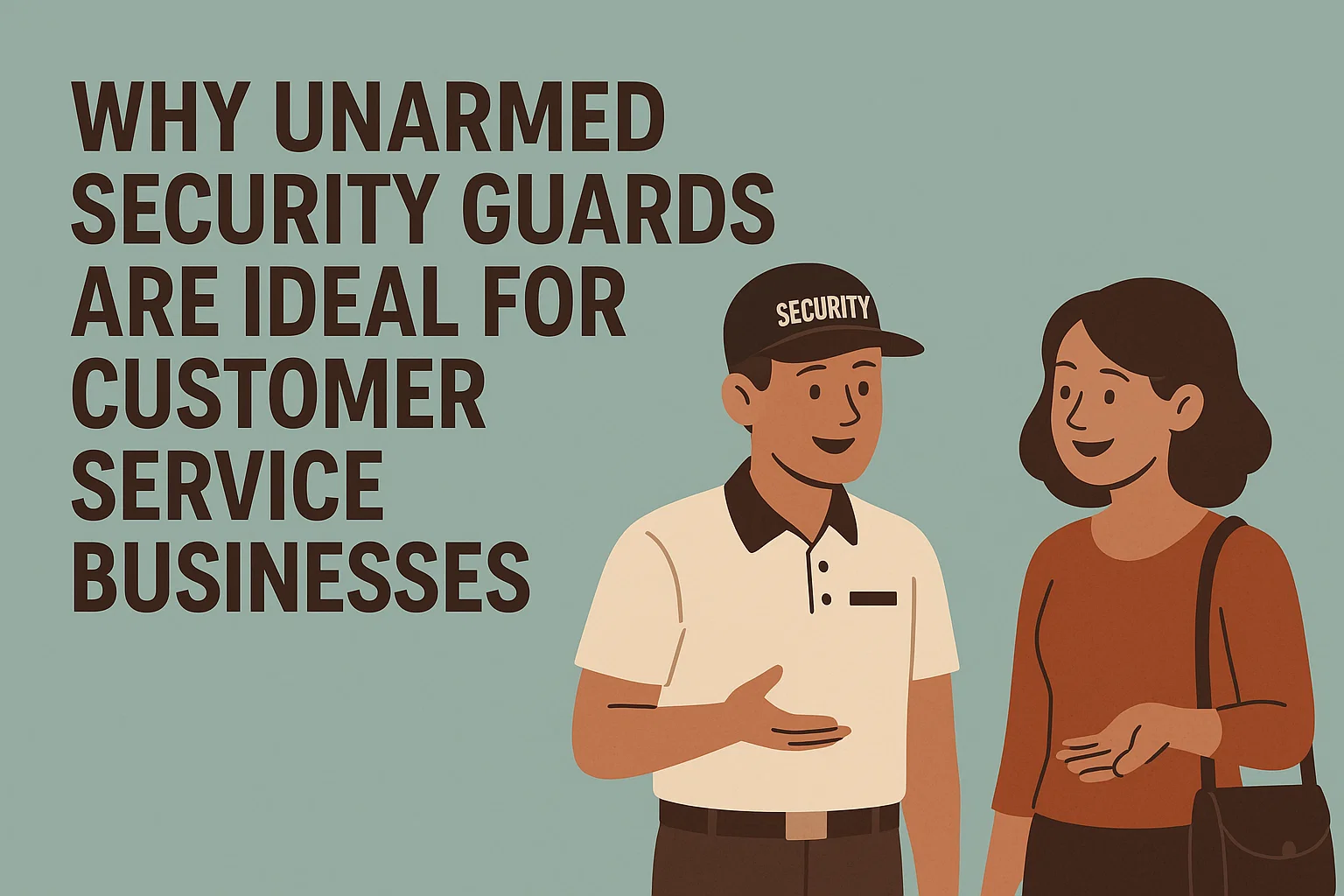

In the hospitality sector, ensuring the safety of guests and the security of the property are paramount. Hotels, resorts, restaurants, and entertainment venues face unique security challenges that require tailored solutions. Hospitality professionals, including hotel managers and security experts, play a crucial role in implementing effective security measures. This post explores the complexities of security within the hospitality industry, offering insights into guest access control, surveillance systems, and emergency response planning. Additionally, it emphasizes the importance of staff training in security awareness and handling security incidents effectively.
Understanding the Unique Security Needs of the Hospitality Industry
The hospitality industry caters to a diverse clientele, each with their own expectations for safety and privacy. The transient nature of guests, the high volume of people coming and going, and the vast array of services offered make security a complex, yet critical, aspect of hospitality management. Ensuring guest safety without compromising the quality of service requires a delicate balance.
Guest Access Control
Access control is a fundamental component of hospitality security. It involves managing who can enter or exit various parts of a hospitality establishment, such as guest rooms, fitness centers, and staff areas. Key card systems have become the norm for controlling access to guest rooms, offering a secure and convenient solution. However, the rise of digital technology and mobile access presents new challenges and opportunities for enhancing access control systems.
Surveillance Systems
Surveillance plays a critical role in maintaining security and deterring potential threats. CCTV cameras strategically placed around the premises can help monitor activities, assist in investigations, and provide guests with peace of mind. Advances in surveillance technology, including AI-driven analytics, offer improved capabilities for identifying suspicious behaviors and managing large volumes of video data more efficiently.
Emergency Response Plans
Hospitality establishments must be prepared for emergencies, including natural disasters, fires, and security threats. A well-crafted emergency response plan ensures that staff know how to act quickly and effectively to protect guests and minimize damage. Regular drills and training sessions are essential for keeping the emergency response plan up to date and ensuring staff are familiar with their roles in a crisis.
Training Hospitality Staff for Security Awareness
The human element is a critical factor in the security equation. Training hospitality staff in security awareness and customer service in security-sensitive situations is vital. Employees should be equipped with the knowledge to recognize potential security threats and the skills to respond appropriately. Encouraging a culture of security among all staff members, from front desk personnel to housekeeping, strengthens the establishment’s overall security posture.
Handling Security Incidents Effectively
When security incidents occur, the manner in which they are handled can significantly impact guest perceptions and the establishment’s reputation. Training programs should include scenario-based exercises that prepare staff to deal with various types of security incidents, ensuring they can provide assistance and manage situations with professionalism and discretion.
Conclusion
Security in the hospitality industry involves a multifaceted approach that combines technology, processes, and people. By understanding the unique security challenges faced by hotels, resorts, restaurants, and entertainment venues, hospitality professionals can implement effective measures to ensure guest safety and protect property. Investing in guest access control, surveillance systems, and emergency response planning, along with training staff in security awareness, are key steps toward achieving a secure hospitality environment. Ultimately, the goal is to create a safe and welcoming atmosphere that allows guests to enjoy their experiences with peace of mind.