
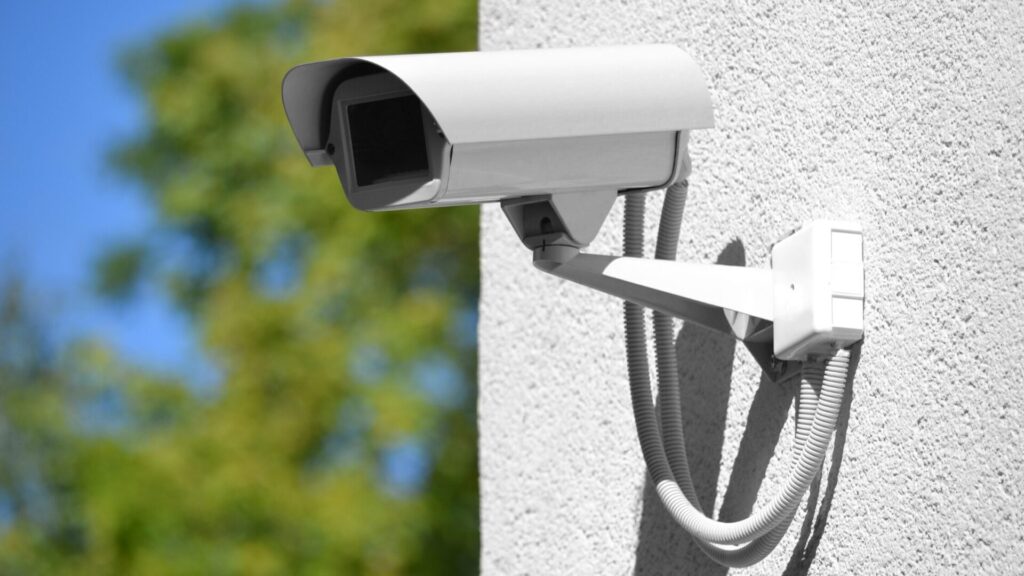
In an age where technology is rapidly advancing, security cameras have become a common fixture in homes and businesses. While these devices offer peace of mind and enhanced security, their use is subject to various legal implications. Understanding these laws is crucial for homeowners, business owners, and legal professionals alike. This blog post aims to guide you through the legal landscape of using security cameras, highlighting your rights and responsibilities to ensure compliance and respect for privacy.
Introduction
Security cameras can deter crime and provide valuable evidence during investigations. However, installing and using them comes with a set of legal obligations. This guide will help you understand the legal considerations, privacy laws, and best practices for using security cameras. By the end of this post, you’ll be better equipped to use these devices responsibly and legally.
The Legal Framework of Security Cameras
Understanding the Basics
Before installing security cameras, it’s essential to grasp the basic legal framework. Laws regarding security cameras can vary significantly depending on your location. Generally, these laws focus on privacy concerns, consent requirements, and the distinction between public and private spaces.
Federal vs. State Laws
In the United States, there is no overarching federal law that governs the use of security cameras. Instead, regulations are primarily set at the state level. Some states have stringent rules, while others are more lenient. It’s crucial to familiarize yourself with both federal guidelines and state-specific regulations to ensure full compliance.
The Role of Local Ordinances
Apart from federal and state laws, local ordinances may also come into play. These can include rules set by homeowners associations or municipal codes that dictate where and how security cameras can be installed. Always check local guidelines before proceeding with installation.
Privacy Laws
The Right to Privacy
One of the most significant legal considerations when using security cameras is the right to privacy. This right is protected under various laws, and violating it can lead to severe consequences, including legal action and fines.
Reasonable Expectation of Privacy
Individuals have a “reasonable expectation of privacy” in certain areas, such as inside their homes, bathrooms, and private offices. Installing cameras in these areas without consent is generally illegal. Conversely, public spaces where privacy is not expected, like streets or parks, are less restricted.
Consent Requirements
In many jurisdictions, obtaining consent before recording is mandatory. This can involve informing individuals that they are being recorded through visible signs or verbal communication. Failure to obtain proper consent can lead to legal complications.
Public vs. Private Space Regulations
Defining Public Spaces
Public spaces are areas that are open and accessible to the general public, such as streets, parks, and shopping malls. Recording in these areas is generally permissible without consent, but it’s always good practice to inform the public through signage.
Private Spaces and Legal Boundaries
Private spaces include any location where individuals can reasonably expect privacy, such as homes, private offices, and restrooms. Recording in these areas without explicit consent is usually prohibited. Business owners must be especially cautious to avoid infringing on employees’ privacy rights.
Navigating Shared Spaces
Shared spaces, like apartment building lobbies or shared office areas, fall into a gray area. While they are not entirely private, they are not fully public either. In such cases, it’s advisable to seek legal counsel to understand the specific regulations that apply.
Best Practices for Compliance
Transparency is Key
Transparency is one of the best ways to ensure legal compliance when using security cameras. Always inform people when they are being recorded. This can be done through clear signage or verbal communication.
Proper Placement of Cameras
Strategic placement of cameras can help you stay within legal boundaries. Avoid placing cameras in private areas and focus instead on public or less-private spaces like entrances, exits, and perimeters.
Regular Legal Audits
Conducting regular audits of your security camera practices can help ensure ongoing compliance with the law. This includes reviewing footage storage practices, consent mechanisms, and camera placements.
Respecting Privacy Rights
Balancing Security and Privacy
While security is important, it should not come at the expense of privacy. Strive to find a balance that respects individuals’ privacy rights while still providing adequate security measures.
Data Protection and Storage
How you store and protect the footage captured by your security cameras is also subject to legal scrutiny. Ensure that all data is stored securely and access is limited to authorized personnel only.
Handling Privacy Complaints
Be prepared to handle privacy complaints promptly and professionally. Having a clear policy in place for addressing such issues can go a long way in maintaining trust and avoiding legal complications.
Common Legal Pitfalls
Covert Surveillance
Using hidden cameras can be tempting, but it’s fraught with legal risks. Covert surveillance is generally illegal in private spaces and can lead to severe penalties.
Overstepping Boundaries
Even with the best intentions, it’s easy to overstep legal boundaries. Regularly review and update your security camera practices to ensure they remain compliant with current laws.
Ignoring Consent Requirements
One of the most common legal pitfalls is failing to obtain proper consent. Always make sure that individuals are aware they are being recorded and have given their consent when required by law.
Legal Implications for Businesses
Employee Monitoring
Businesses often use security cameras to monitor employees, but this comes with its own set of legal challenges. Ensure that your monitoring practices comply with labor laws and respect employees’ privacy rights.
Customer Surveillance
Surveillance of customers is generally permissible in public areas of a business, such as retail stores. However, it’s crucial to inform customers that they are being recorded to avoid legal issues.
Liability Concerns
Improper use of security cameras can result in liability for businesses. This can include legal action from employees or customers who feel their privacy has been violated. Always consult with legal experts to mitigate these risks.
The Role of Legal Professionals
Seeking Legal Advice
When in doubt, always seek legal advice. Legal professionals can provide valuable guidance to ensure that your security camera practices are compliant with all relevant laws and regulations.
Staying Updated on Laws
Laws regarding security cameras are constantly evolving. Legal professionals can help you stay updated on any changes and adjust your practices accordingly.
Legal Representation
In the event of legal disputes, having legal representation can be crucial. Legal professionals can help defend your actions and ensure that your rights are protected.
Case Studies
Successful Implementations
Many businesses and homeowners have successfully implemented security cameras while staying within legal boundaries. Learning from these case studies can provide valuable insights and best practices.
Legal Challenges Faced
There are also numerous examples of legal challenges faced by those who have improperly used security cameras. Understanding these challenges can help you avoid similar pitfalls.
Lessons Learned
Each case study offers valuable lessons that can help you better understand the legal landscape of security cameras. Use these lessons to refine your practices and ensure compliance.
Resources for Further Learning
Legal Guides and Handbooks
There are numerous legal guides and handbooks available that provide detailed information on the laws and regulations surrounding security cameras. These resources can be invaluable in helping you understand your rights and responsibilities.
Online Courses and Webinars
Consider enrolling in online courses and webinars that focus on the legal aspects of using security cameras. These educational resources can provide in-depth knowledge and practical tips.
Professional Organizations
Joining professional organizations related to security and law can provide access to valuable resources, networking opportunities, and ongoing education.
Conclusion
Navigating the legal landscape of using security cameras can be challenging, but it is essential for protecting your rights and respecting the privacy of others. By understanding the legal framework, adhering to privacy laws, and following best practices, you can ensure that your use of security cameras is both effective and compliant.
Remember, the key to successful implementation is a balance between security and privacy. Stay informed, seek legal advice when necessary, and always strive to respect the rights of those being recorded.
For those looking to integrate security cameras into their homes or businesses, consider consulting with legal professionals to ensure that your practices are compliant with all relevant laws and regulations. Doing so will help you avoid legal pitfalls and make the most of your security investments.