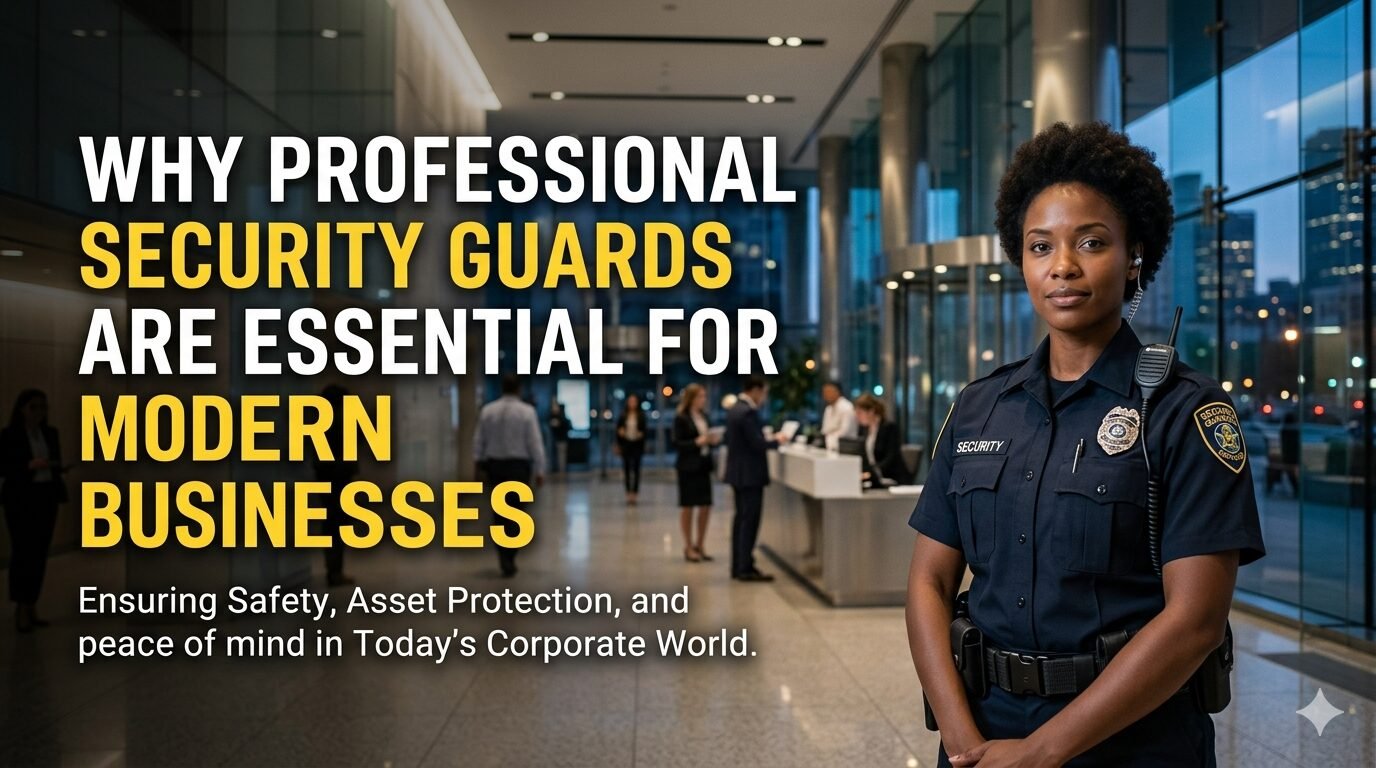
A well-trained security team is the backbone of any successful security operation. Whether it’s protecting a retail store, corporate office, hospital, or event, the effectiveness of your security staff directly impacts safety, customer confidence, and incident prevention. Training goes beyond teaching guards how to patrol—it involves developing critical thinking, communication, and technical skills that enable them to handle a wide range of scenarios.
Why Training Matters in Security Services
Security guards are often the first line of defense in emergencies. Poorly trained staff can escalate situations or fail to respond quickly, putting people and property at risk. On the other hand, highly trained guards deter threats, de-escalate conflicts, and provide a professional presence that builds trust.
Essential Training Areas for Security Staff
1. Orientation and Basic Security Procedures
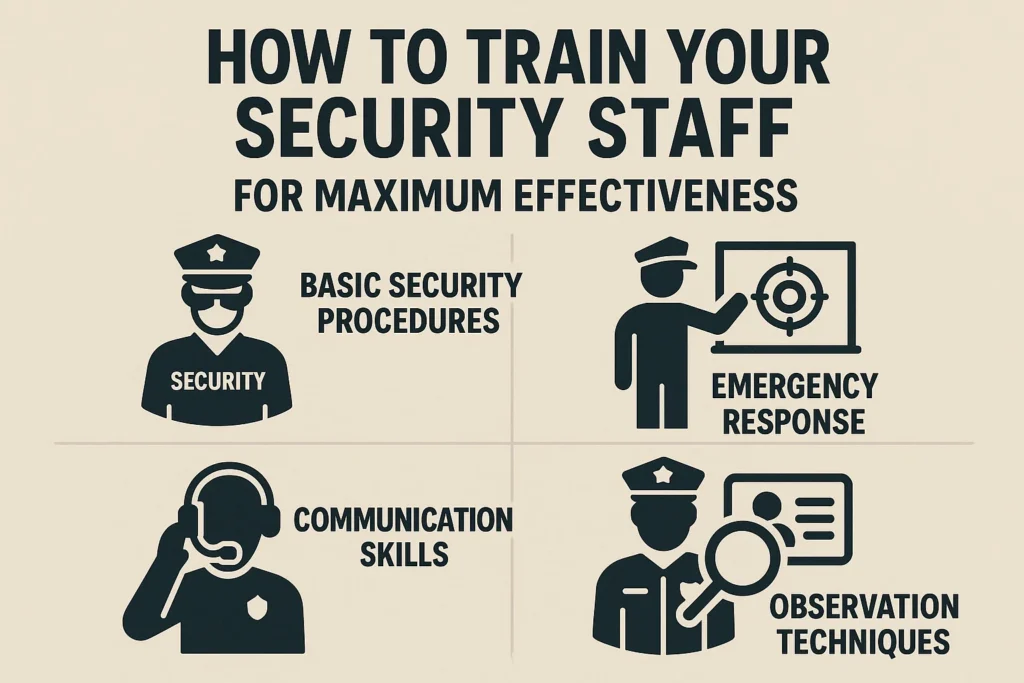
Every new security guard should begin with a thorough orientation. This includes company policies, reporting protocols, patrol routines, and rules of engagement. A clear foundation ensures consistency across your entire team.
2. Communication Skills
Security staff interact with employees, customers, and law enforcement. Training guards in active listening, clear reporting, and conflict resolution improves both security effectiveness and customer experience.
3. Emergency Response Training
From fires to medical emergencies and break-ins, guards must know how to respond quickly and correctly. Regular drills prepare them to act with confidence under pressure.
4. Use of Technology
Modern security relies on CCTV, access control systems, and alarm monitoring. Training staff to use these tools efficiently maximizes coverage and reduces human error.
5. De-Escalation and Conflict Management
Not every situation requires force. Guards trained in de-escalation techniques can defuse arguments, handle aggressive behavior, and prevent situations from escalating into violence.
6. Legal and Ethical Responsibilities
Security guards must understand their authority limits and the laws governing their actions. Training on local regulations, privacy rights, and ethical standards prevents liability issues for your business.
Ongoing Training for Continuous Improvement
Training isn’t a one-time event—it’s a continuous process. Regular refresher courses, scenario-based training, and performance evaluations help guards sharpen their skills and adapt to new challenges. Encouraging professional certifications can also raise the overall standard of your security team.
Benefits of Well-Trained Security Staff
- Stronger deterrence against crime and misconduct
- Faster and more effective emergency response
- Improved customer and employee confidence
- Lower risk of liability for businesses
- Professional image that enhances your company’s reputation
Final Thoughts
Investing in professional training for your security staff is not just about compliance—it’s about maximizing effectiveness, reducing risks, and building trust with those you serve. A well-trained team doesn’t just guard your property; they protect your business reputation and provide peace of mind for everyone on-site.