
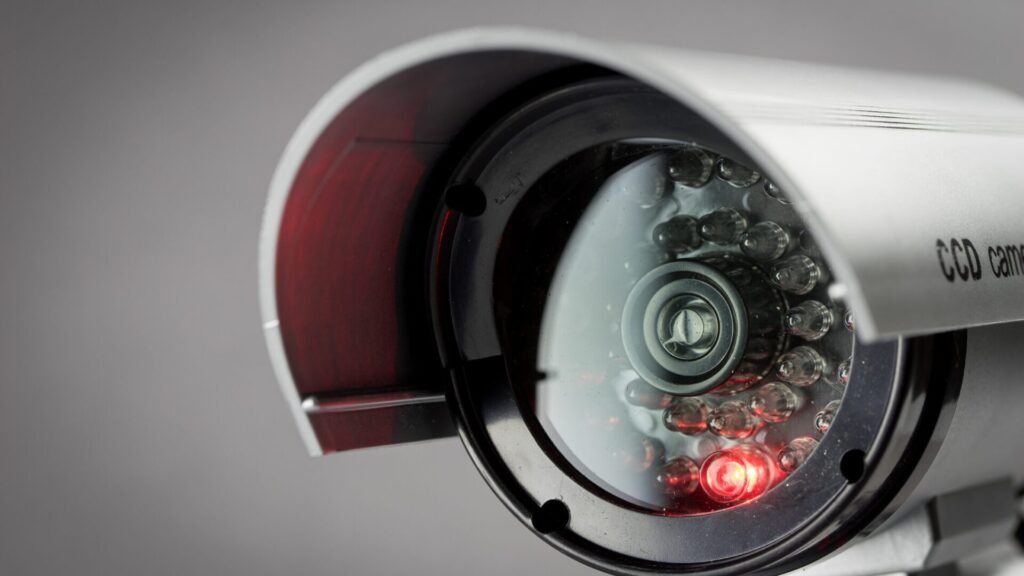
In an age where security is paramount, having the ability to monitor and protect properties 24/7 is crucial. This is where advancements in night vision technology for security cameras come into play. Whether you’re a security professional or a tech enthusiast, understanding these advancements can help you make informed decisions about securing your premises effectively.
Overview of Night Vision Capabilities in Modern Security Cameras
Night vision technology has come a long way from the grainy, black-and-white images of the past. Today’s security cameras are equipped with sophisticated night vision capabilities that ensure clear, high-quality footage even in complete darkness. Here are some key night vision technologies used in modern security cameras:
Infrared (IR) Illumination
Infrared illumination is one of the most commonly used night vision technologies. IR LEDs emit infrared light that is invisible to the human eye but can be detected by the camera’s sensor. This allows the camera to capture detailed images in low-light or no-light conditions.
- Advantages:
- Affordable and widely available
- Provides clear images in complete darkness
- Effective for both indoor and outdoor surveillance
- Disadvantages:
- Limited range compared to other technologies
- Susceptible to reflection and glare in certain environments
Thermal Imaging
Thermal imaging cameras detect heat emitted by objects and create an image based on temperature differences. This technology is particularly useful in environments with varying temperatures and can detect intruders hidden in foliage or behind obstacles.
- Advantages:
- Can see through smoke, fog, and obstructions
- Not affected by lighting conditions
- Suitable for large areas and perimeter security
- Disadvantages:
- Higher cost compared to IR cameras
- Lower image resolution and detail
Low-Light Imaging
Low-light imaging cameras, also known as starlight cameras, use highly sensitive sensors to capture color images in very low light conditions. These cameras combine advanced optics and image processing algorithms to enhance visibility without the need for additional lighting.
- Advantages:
- High-quality color images in low light
- Reduced need for external lighting
- Effective for discreet surveillance
- Disadvantages:
- Can be more expensive than standard cameras
- Performance varies based on ambient light conditions
Comparison of Different Night Vision Technologies and Their Applications
Each night vision technology has its strengths and ideal use cases. Understanding these can help you choose the right technology for your specific needs.
IR vs. Thermal Imaging
- IR Cameras:
- Best for general indoor and outdoor use
- Affordable and provide clear images
- Ideal for environments with consistent temperatures
- Thermal Cameras:
- Suitable for harsh environments and large perimeters
- Detects intruders and hidden objects
- Higher cost but offers unique capabilities
Low-Light vs. IR Cameras
- Low-Light Cameras:
- Ideal for areas with some ambient light
- Provide high-quality color images
- Suitable for urban surveillance and public spaces
- IR Cameras:
- Best for complete darkness
- Cost-effective and versatile
- Suitable for residential and commercial properties
Tips for Selecting and Deploying Night Vision Cameras for Effective 24/7 Surveillance
Choosing the right night vision camera is essential for maintaining effective 24/7 surveillance. Here are some tips to help you make the best decision:
Assess Your Environment
- Determine the lighting conditions and potential obstacles in the surveillance area.
- Consider the size of the area and the level of detail required.
Choose the Right Technology
- For complete darkness, IR cameras are a reliable choice.
- For large outdoor areas with varying temperatures, thermal cameras provide superior detection.
- For areas with low ambient light, low-light cameras offer high-quality color images.
Position Cameras Strategically
- Place cameras at key entry points, high-traffic areas, and potential blind spots.
- Avoid mounting cameras directly facing light sources to minimize glare and reflection.
Regular Maintenance and Updates
- Perform regular maintenance to ensure cameras and IR LEDs are clean and functional.
- Keep firmware and software updated to benefit from the latest advancements and security patches.
Integrate with Broader Security Systems
- Combine night vision cameras with motion detectors, alarms, and other security devices for comprehensive protection.
- Use video management software to centralize and streamline monitoring and recording.
Conclusion
Advancements in night vision technology have significantly enhanced the capabilities of modern security cameras. By understanding the different technologies and their applications, security professionals and tech enthusiasts can make informed decisions to protect their properties effectively.
Ready to upgrade your surveillance system? Learn more about our range of advanced night vision cameras and start securing your premises 24/7.