In today’s digital age, the security of a physical business location is just as crucial as cybersecurity. A well-chosen security camera system acts not just as a deterrent to potential thieves but also as a critical tool for incident resolution and providing evidence when needed. For small business owners, security professionals, and retail managers, understanding the nuances of different security cameras and systems is key to making an informed decision that aligns with their security needs and budget.
Overview of Different Types of Security Cameras
Before we dive into the factors to consider, it’s important to understand the various types of security cameras available:
- IP Cameras: These digital cameras use a network to send images and video. They offer higher resolution than analog cameras and can be accessed remotely, making them ideal for businesses that need to monitor their premises from anywhere.
- Analog Cameras: Analog cameras are the traditional type of CCTV camera, sending video over coaxial cable to a DVR (Digital Video Recorder). While generally less expensive, they offer lower resolution compared to IP cameras.
- PTZ Cameras: Standing for Pan, Tilt, and Zoom, PTZ cameras offer the flexibility to cover more area and zoom in on specific activities. They can be programmed for automatic patrols or manually controlled for live operation.
Understanding these types provides a foundation, but selecting the right system involves more than just choosing a camera type.
Factors to Consider When Selecting a Security Camera System
Resolution
The resolution of a camera determines how clear the video footage will be. High-resolution cameras can capture more details, which can be crucial for identifying individuals or specific actions. For most business applications, a resolution of 1080p is considered adequate, though 4K cameras are becoming more popular for areas requiring detailed surveillance.
Field of View
The field of view refers to how wide an area a camera can cover. A wider field of view means fewer cameras may be needed to cover the same area, potentially saving on costs. However, the specific layout of your premises will dictate the best field of view for each camera location.
Night Vision
Many incidents occur in low-light conditions, making night vision capability a critical factor. Cameras with infrared (IR) night vision can capture clear black and white images even in complete darkness, ensuring round-the-clock surveillance effectiveness.
Weather Resistance
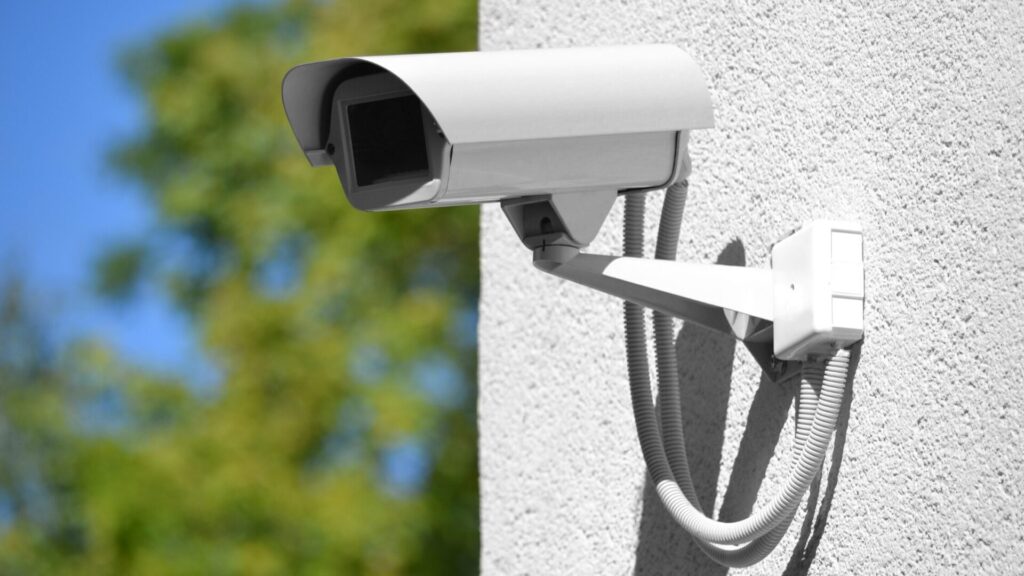
For outdoor cameras, weather resistance is a non-negotiable feature. Look for cameras with an IP (Ingress Protection) rating that signifies their resistance to dust and water. An IP66 rating, for instance, indicates that the camera is dust-tight and protected against heavy seas or powerful jets of water, making it suitable for outdoor use.
Case Studies and Examples
To illustrate the importance of choosing the right security camera system, consider the following examples:
- Retail Stores: A retail manager selects high-resolution IP cameras with wide fields of view for the sales floor, ensuring comprehensive coverage with fewer devices. For the store’s exterior and parking lot, they opt for weather-resistant PTZ cameras with night vision to monitor after-hours activity.
- Office Buildings: An office complex integrates analog and IP cameras, using analog cameras for less critical areas to save on costs while employing high-resolution IP cameras at entrance points and sensitive areas for better detail and remote access.
- Warehouses: For large warehouse spaces, a combination of PTZ cameras and high-resolution IP cameras ensures both broad coverage and the ability to focus on specific incidents or areas of interest. Weather-resistant cameras with night vision capabilities secure the perimeter and loading docks.
Conclusion
Selecting the right security camera system for your business isn’t a one-size-fits-all decision. By considering the factors of resolution, field of view, night vision, and weather resistance, alongside the specific needs of your business, you can craft a surveillance setup that offers peace of mind and enhances the security of your assets and premises.
The right security system not only protects against theft and vandalism but also plays a crucial role in the operational and strategic decision-making processes. By providing a safe environment for employees and customers alike, it contributes significantly to the overall success of your business.