
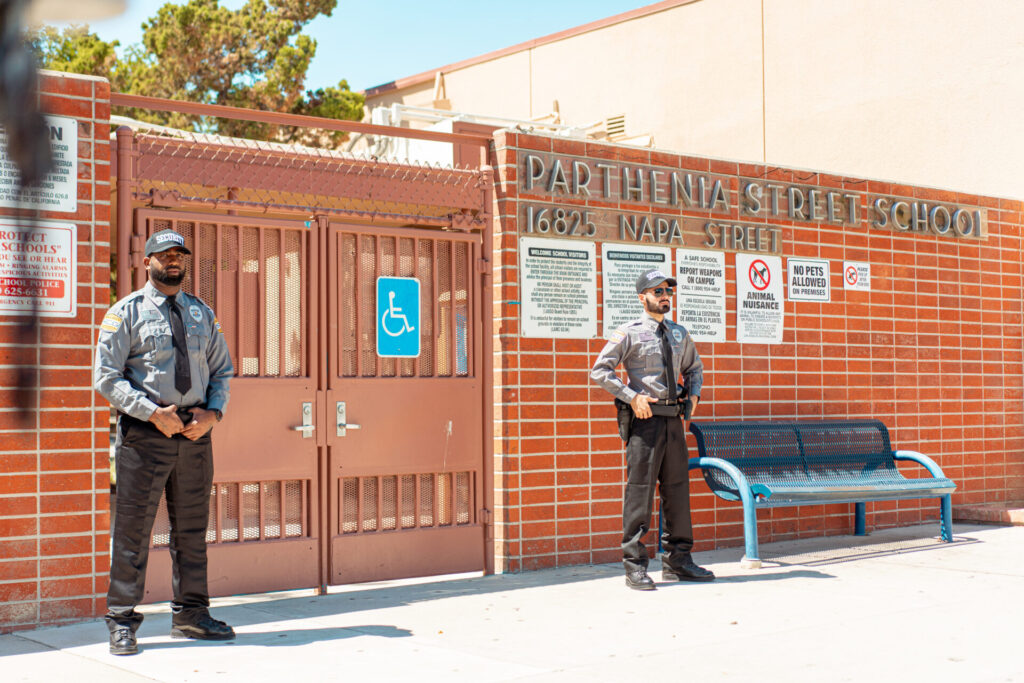
In today’s world, the safety of educational environments is more critical than ever. With the rise of various threats, from physical intruders to cyberattacks, ensuring the security of students, faculty, and staff on campuses has become a paramount concern for school administrators, parents, and security professionals alike. This post explores comprehensive security strategies tailored for schools, colleges, and universities, focusing on campus access control, student safety protocols, and emergency response planning. We’ll also discuss the importance of collaboration among educational institutions, faculty, and student organizations to implement effective security measures.
1. Crafting a Tailored Security Strategy
The first step in bolstering campus security is developing a strategy that considers the unique needs and challenges of your educational institution. This involves conducting thorough risk assessments to identify potential vulnerabilities and the types of threats your campus might face. Based on these assessments, administrators can prioritize security needs and allocate resources more effectively.
Campus Access Control
Effective access control is foundational to campus security. Limiting entry points and monitoring who enters and exits the campus can significantly reduce the risk of unauthorized access. Implementing ID-based entry systems, electronic locks, and visitor management protocols ensures that only authorized individuals can access certain areas, providing a safer environment for everyone on campus.
Student Safety Protocols
Student safety protocols are essential for protecting students both physically and online. This includes establishing clear guidelines for behavior on campus, cyberbullying policies, and internet safety rules. Training students to recognize and report suspicious activities can also empower them to contribute to their own safety and foster a culture of security awareness among the campus community.
Emergency Response Planning
Preparing for emergencies is a critical aspect of campus security. This involves developing and regularly updating emergency response plans for various scenarios, including natural disasters, active shooter situations, and health crises. Regular drills and training sessions for students and faculty ensure that everyone knows how to act in an emergency, potentially saving lives.
2. Collaborating for a Safer Campus
No single party can shoulder the responsibility of campus security alone. It requires collaboration among all stakeholders, including educational institutions, security professionals, faculty, and student organizations.
Working with Educational Institutions
Building strong partnerships with local law enforcement and security agencies can provide schools with additional resources and expertise. These partnerships can enhance information sharing, improve response times in emergencies, and offer professional guidance on security measures.
Engaging Faculty and Student Organizations
Faculty and student organizations play a vital role in campus security. By involving them in the development and implementation of security policies, schools can ensure these measures are practical and respectful of students’ rights. Encouraging open dialogue about safety concerns and suggestions can also lead to more effective security solutions.
Fostering a Culture of Safety
Ultimately, creating a secure campus environment requires fostering a culture of safety where everyone feels responsible for the well-being of the community. This involves regular communication about security protocols, encouraging vigilance, and promoting respect and inclusion to prevent violence and harassment.
Conclusion
Ensuring the safety of educational environments is a complex, ongoing challenge that demands a comprehensive approach. By tailoring security strategies to the specific needs of their campuses, collaborating with all stakeholders, and fostering a culture of safety, educational institutions can create environments where learning and personal growth can thrive without the shadow of security threats. While the task may seem daunting, the collective effort of the entire campus community can make a significant difference in ensuring the safety and security of our educational spaces.